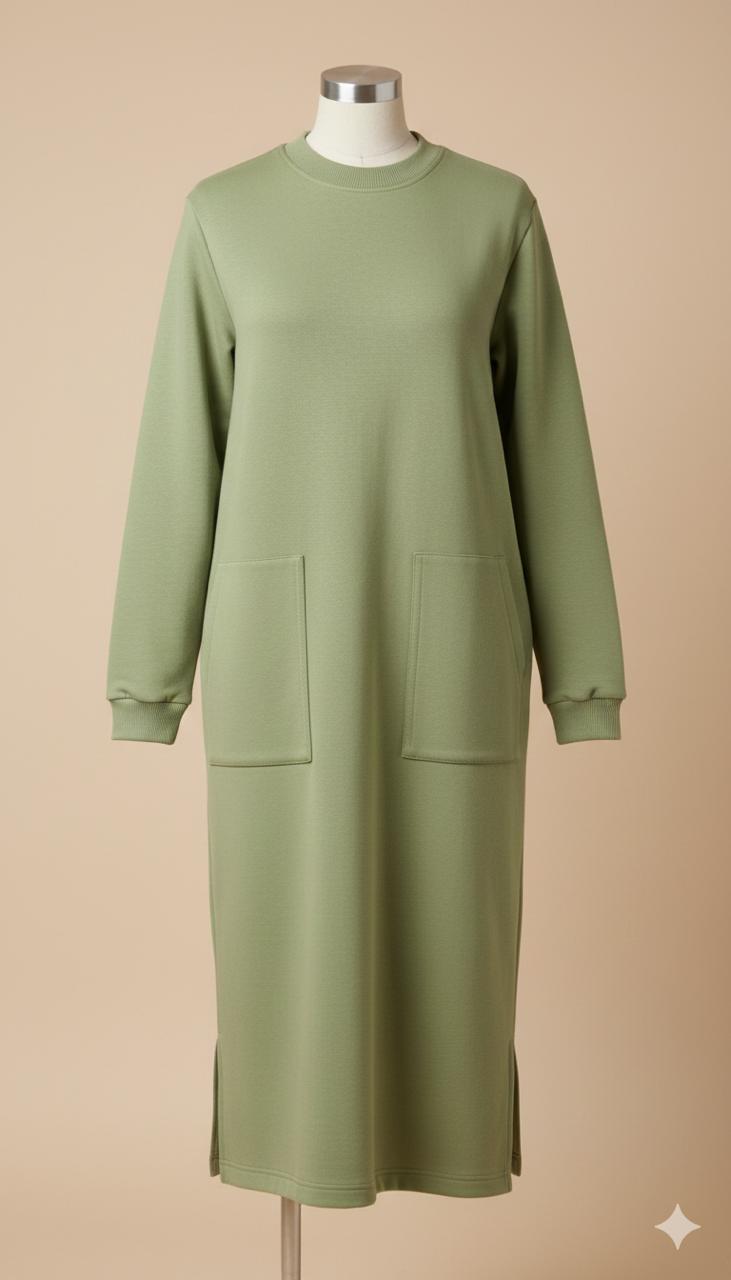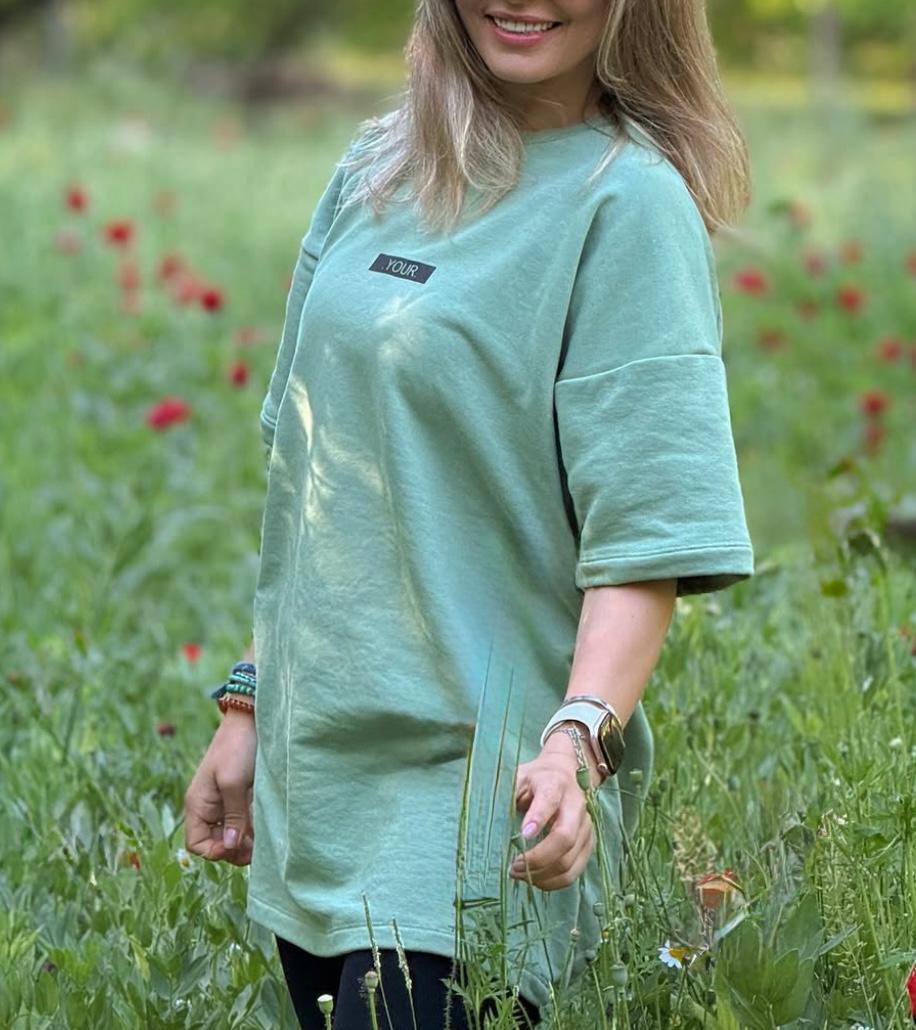
A run begins long before the first cut. We start with a fabric we want to use rather than a shape we want to sell, because the cloth decides most of what a garment can do. It sets the drape, the weight, the way a seam sits after a week of wear.
The pattern
The first pattern is always wrong. We cut it in calico, put it on a body, and mark it up in pencil until the proportions read the way we drew them. That version gets unpicked and traced flat again, and the process repeats — usually three times, sometimes six.
A pattern is a set of decisions written in chalk. Every line is a choice you can defend or you cannot.
Only when a sample survives a full week of being worn does it become a pattern we cut in the real cloth.
The run
We cut in runs of around a hundred and twenty. Small enough that one person can check every piece before it is folded, large enough that the fabric mill will take the order seriously.
When a run is gone, it is gone. That is not scarcity for its own sake — it is what happens when you buy cloth in the quantity you can actually use.